New Arrivals


Explore our curated selection of fine writing instruments.


Top 5 best sellers
Fountain Pens


Ink


Paper


Pens


Deal of the week
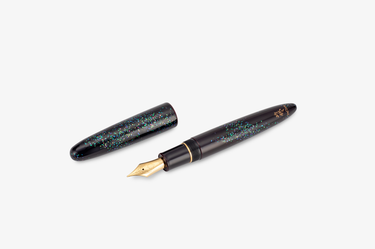


Sailor - 1911 King of Pens Tamenuri Raden Nami | Limited Edition |
products.product.pickup_availability.unavailable
Let customers speak for us
This is the tenth Scribo in my collection : l love this brand , the quality and the care employed to realize these writing jewels! I only move to Scribo a criticism : the 14 ct extra fine nib fineness is too much large: please reduce it! Anyway this Blu Sospeso is a true masterpiece. Thanks to Pen Venture for your fast shipping and the special price! To next purchase, best regards. David 😉

I ordered this pen as an advance present to myself - a reward for a challenging but fruitful year, and especially for reaching a notable age milestone.
The first time I saw it presented by Emy on Youtube, I will admit I was a bit hesitant, as it wasn’t in a shape, texture or material I was familiar with, nor was its body in my preferred range of colors.
I eventually went ahead with the purchase, with the only addition being a bottle of Leonardo Asa Blu ink, and I am so very glad I did.
The solid-but-light nature won me over, along with the surprisingly well-balanced feel - it’s like it was sculpted to fit my hand perfectly. And the Urushi coating gives the pen a comfortable warmth that no other pen in my collection has.
The texture is another aspect of this pen that I grew to love. It’s soft and tactile at the same time, and the specks of silver under the Urushi lacquer give the impression of distant clusters of stars frozen in space and time, lending the pen a cosmic aura of sorts.
The No. 8-sized Leonardo gold nib is TREMENDOUS. In size and in feel. I went with a “happy” Medium tipping size, aiming to have it usable as a daily writer as well as to enjoy the shades of color the ink can imprint on paper. The actual writing feel is buttery smooth with a decent bit of bounce, and the Asa Blu ink works beautifully with this pen, leaving impressions of clear and peaceful skies with every sentence I write. Upside-down writing works surprisingly well too, bringing the stroke thickness down from M to EF.
Lucky bonus: I received the pen with the number that perfectly aligned with my intended occasion, which makes it all the more meaningful and precious to me.
Wonderful jewel of a pen, Emy and Pen-Venture team. To many more brilliant years ahead!

I've tried almost all of the pocket fountain pens out there, especially the ones with a #6 nib, and this Quark is my favorite of the bunch.
The material choice in a stone wash finish is perfect for a pocket pen. It provides good texture to grip and handle the pen, which you will be doing a lot because you need to unscrew to uncap and then screw to post... and then again in reverse to put the pen away. But the zing! of the zirconium makes each writing opportunity such a pleasurable experience. You're able to do this quickly as well because of the minimal turns it takes manipulate the cap. The grooved texture of the grip is also excellent. Just enough to give you a good grip but never in your way. I do wish the grip section was about 1mm thicker though.
I have mine fitted with a Pilot #15 nib and eyedroppered. I smile every time I take it out of my pocket... the zing... the reveal of the 14k Pilot nib... the perfectly textured groove section. The whole package just comes together so lovely!
If I had to complain though, my one gripe is that when posted, the cap wiggles ever so slightly. It's very minor, but you do feel it move in your hand when writing from time to time. Also, mine takes about 1.5 rotations to uncap, but the description says 0.6 turns. On the plus side, it can post in 1.5 turns, even though the description says 2 turns. Not sure if this is just a variance in manufacturing.
But overall this is an amazing pen. I have been eyeing it for over a year and now I wish I had gotten it sooner.

I received the ink a week ago, but I wanted to wait until the pen it was intended for arrived so that I could share my writing experience with it as well.
The color is beautiful, of course. I particularly like the blue shimmer, which gives the ink a more subtle sparkle in the light, since it's blue on blue. I couldn't capture the red sheen in my cotton swab swatch, but it really comes through in the writing sample, which was exactly what I was hoping for.
I tested the ink for a couple of hours and noticed that my pen sometimes skips the first stroke whenever I pick it up, but then writes flawlessly for the rest of the writing session, no matter how long it lasts. This happens even though the nib doesn't seem to have any baby's bottom at all. I'm not sure whether this is due to my inexpensive paper, but I suspect it may have something to do with the sheen, which seems to stain the feed quite heavily. Of course, this may be an expected quirk of this type of ink, so as long as I use a very wet-writing pen, I shouldn't have any problems with it. I use it with a super-wet nib, which helps the ink perform as intended.
I'm absolutely thrilled with this ink overall and would recommend it without hesitation.
Since this was my first purchase from this store, I took the opportunity to browse the website and discovered that the prices are very competitive, especially for the fountain pens I'm interested in. I'll definitely be buying from this store again in the future.
I also received a handwritten thank-you note, which I really appreciated, so many thanks for that! A lovely shopping experience all around. Mulțumesc!

I was able to purchase this ink that is unfortunately discontinued. I didn't realize this store actually has this and immediately purchased it.

After several months of regular writing with this pen I can just say that it is as marvellous as the anodised alluminium version, although I prefer the slightly more serious heft due to the titanium. I bought it with an ef nib and use it mainly for short reading notes and occasionally for journalling. The mechanism works as smooth as it gets and the nib got even nicer in the meantime.
I can't say anything negative about this pen and hope that it will come out with different finishes as the monster - like Tisinx or skittle.

This ink is so, so beautiful! It writes very smoothly and dries fast. Also, it was delivered with the utmost care and fast as well.

Pen Venture was the only store left offering the gorgeous Sailor KOP Gekkou Tigers and the Moonlight pen, plus the Taccia pen roll I was looking for! Thank you for bringing this pen to my life!!! The purchase and shipping experience was easy and their shipper's customs management process was automated and a breeze to get through. I can't stress how important this is to the customer and you guys nailed it! Thank you so much for the thoughtful hand written note, and the well packaged items. I will forever be a Pen Venture customer and look forward my next pen purchase from you!

Wonderful Eshop with a personalized letter included! Will definitely order from here again, excellent selection, EU shipping.

The Visconti Homo Sapiens Bronze Age in Medium has been a joy to use from the very first stroke. The nib is amazingly well tuned: glass-smooth, precise, consistent, and with excellent ink flow. Paired with Pilot Iroshizuku Take-sumi, it writes beautifully on both Oxford Optik and Clairefontaine paper.
What really makes this pen special, though, is the combination of materials. I love the feel of the lava resin in the hand, and the bronze trim gives it that beautiful, old-world character. It feels distinctive without being over the top, and it's comfortable and well-balanced to write with.
The filling system is easy to use, and the ink capacity comfortably lasts me several days of intense writing.
I've only had it for a few days, so this is an early impression, but so far I honestly have nothing to complain about. Everything just feels right, especially that perfectly tuned nib.
If you're an enthusiast looking for your first grail pen, the Homo Sapiens Bronze Age deserves a serious look. For me, it's the materials and the writing experience together that make it special.

I ordered this pen with a 14K stub nib and a bottle of Leonardo Arancio Caldo ink, which turned out to work beautifully with the color scheme.
While it does have a similar form factor to other Momento Magico models, the combination of bright, reflective orange resin and glossy black elements of the body make this pen stand out among the other, still very colorful, Leonardo pens in my collection.
The comfort in use is something Leonardo have accustomed me to already, but the addition of the 14K gold stub nib takes it to the next level of luxurious feel, and brings a special writing flair along with it, likely further refined with Emy’s fine tuning.
Whenever I feel the need to take my mind off the stress of a particularly hard day at work, I reach out for this pen and write down a few lines. Like a big glass of freshly-squeezed orange juice on a hot, demanding day, it always manages to fill me back up with joy and positive energy.

The Visconti Homo Sapiens Dark Age is nothing short of a dream come true!
From the moment I held this beautiful fountain pen in my hand, I knew it was something special. The design, the feel, the character – everything about it is simply extraordinary. And then there’s that gorgeous, oversized nib! Exactly the way I love it. It glides effortlessly across the paper, delivering an incredibly smooth and satisfying writing experience. It’s one of those pens that makes you look for excuses to write just a little more.
But what made this purchase truly exceptional was the experience with PEN Venture.
The service was absolutely outstanding, and I was genuinely touched by the personal letter from Emy. In a world where so many purchases feel impersonal, this thoughtful gesture meant a lot to me.
Knowing that Emy had personally fine-tuned the nib made it even more special. That extra attention to detail gave an already wonderful fountain pen the perfect finishing touch.
It’s rare to find a combination of such a remarkable writing instrument and a seller who clearly shares the same passion for fountain pens as the people who love using them.
Thank you, Emy, and thank you, PEN Venture! You didn’t just sell me a beautiful fountain pen – you made the entire experience memorable.
I couldn’t be happier. Highly recommended!

excellent writer and always love the personal hand written notes from Pen Venture

Yes, it is just a little spanner, but it a flawlessly executed little spanner that is a joy to have as part of the collection.
As always with Gravitas, the quality and tight tolerance is the best of the best.

Well packed around quickly and love this color. Was so glad to find it here.

What customers think about the store
Exceptional fountain pen retailer with outstanding personalized service. Fast international shipping, expert nib tuning by Emy, and handwritten thank-you notes create memorable experiences. Customers praise competitive pricing, careful packaging, prompt commun...
AI-generated from customer reviews.
Our latest YouTube video:
@pen.venture on Youtube. High-quality content made to inform, inspire and support you at every stage of your fountain pen journey!
Subscribe to our Newsletter
Receive exclusive updates, special offers, and insightful content directly to your inbox. As a token of appreciation, you will receive a 5% discount code available for your first order when you subscribe.
Latest News

A celebration of 7 years of Pen Venture with Leonardo Urushi Essenza Nipon Sette
For seven years, Pen Venture has celebrated the passion for fine writing instruments, the artistry, the craftsmanship, and the stories that flow from each stroke of a fountain pen. To...

A flame in your hand: The new Leonardo x Pen Venture collaboration
Introducing the Leonardo - Essenza Nashiji Ignis: A limited edition fountain pen We are happy to introduce an exclusive creation that brings together Italian design and Japanese tradition: the Leonardo...

Leonardo Officina Italiana x Pen Venture Urushi Exclusive Limited Edition
Leonardo Officina Italiana and Pen Venture proudly present a new pinnacle in urushi craftsmanship: the Urushi Essenza Raden - Great Void. This exclusive limited edition fountain pen embodies a relentless...